Exactly How To Check Out A Peptide Certification Of Evaluation Coa: Uk Scientist's Overview 2026
Why Certifications Of Analysis Coas Issue In Study
Pureness dimensions for research peptides are typically identified using analytical approaches such as high-performance fluid chromatography. These techniques separate chemical elements in a sample so laboratories can analyze noticeable molecular signals. Mass spectrometry assists verify the molecular identity of peptide research study compounds by comparing gauged mass signals with anticipated molecular weight. The reported pureness indicates the proportion of the identified compound about other obvious elements in the sample.- All products are cost research, laboratory, or analytical functions only, and are except human intake.
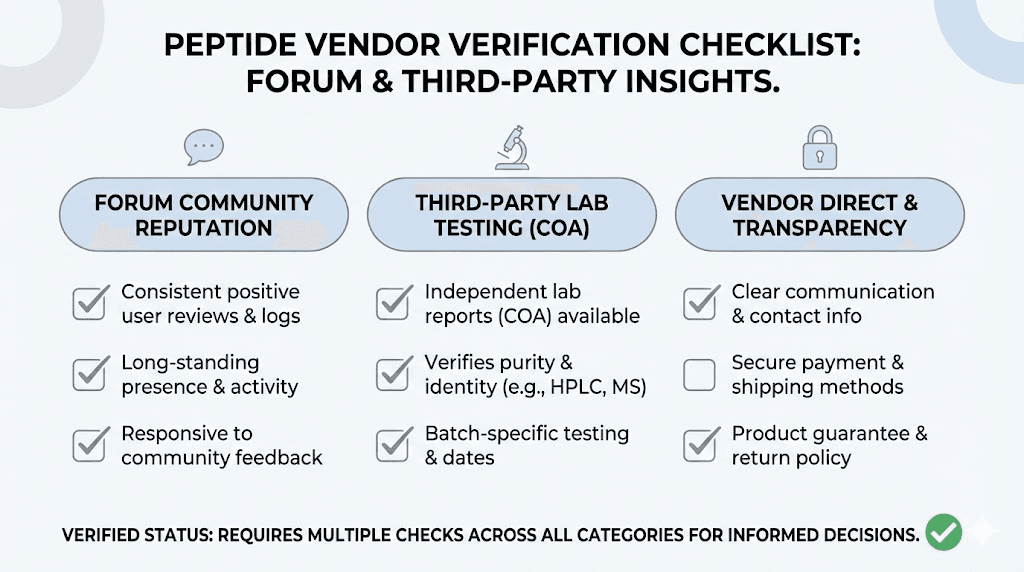
- A batch-specific record is a lot more beneficial than a common data that appears recyclable across several listings.
- Check out the typical lab approaches utilized to assess peptides in research study settings.
- In basic terms, it aids demonstrate how much of the sample appears as the primary substance compared with other observable elements in the chromatographic account.
- Each Certification of Analysis undergoes a comprehensive analysis procedure to validate item stability.

Call Details
Pureness and uniformity both play a significant duty in whether a research https://northpixelate.com/s/duxn55JqcbbXDgKxQsyjA study generates trustworthy outcomes. Also a slight problem in composition could alter exactly how a peptide behaves in tests. Elizabeth is a science and medical writer with a background in Genetics and Public Health And Wellness.What Is A Peptide Certification Of Evaluation (coa)?
This info allows researchers to evaluate prospective organic interference and experimental threat. Pureness suggests the proportion of the vial that contains the target peptide. A CoA is most useful when each analytical area is reviewed meticulously. Without this paperwork, research study outcomes end up being tough to analyze and practically impossible to duplicate reliably. Every variable that can affect speculative results should be determined and taped. A Certification of Analysis (CoA) is the document that gives this proof.Nevertheless, periodic minor variation listed below this threshold can take place and still represents a high-quality item within approved sector requirements. Batch-specific documents matters because it assists buyers understand whether the analytical outcomes really put on the item being evaluated. A generic COA may supply limited value if it can not be connected to Click here to find out more a certain whole lot. A batch-specific data improves traceability and offers customers a more useful way to evaluate the documentation given.HPLC can aid explain pureness, while LC-MS can add helpful identity-related context when available. HPLC, or High-Performance Fluid Chromatography, is one of the most usual logical approaches made use of in peptide documents. In basic terms, it helps demonstrate how much of the example appears as the primary substance compared to other noticeable components in the chromatographic profile. This is why HPLC is commonly utilized to report purity portions on a peptide COA. It is necessary to understand that a COA is only valuable when it is full, understandable, and linked to the exact product being marketed. A document with missing out on dates, unclear techniques, or no batch referral offers purchasers much less self-confidence in the traceability of the product.
The International Council for Harmonisation (ICH) Q3C standards develop acceptable limits for residual solvents based upon their toxicity classifications. Class 1 solvents need to be avoided completely, Class 2 solvents have specific concentration limits, and Course 3 solvents are considered much less harmful with higher appropriate degrees. TFA, generally utilized in peptide synthesis, commonly appears at degrees below 1% in properly purified items.