How Hplc Is Utilized To Inspect Peptide Pureness
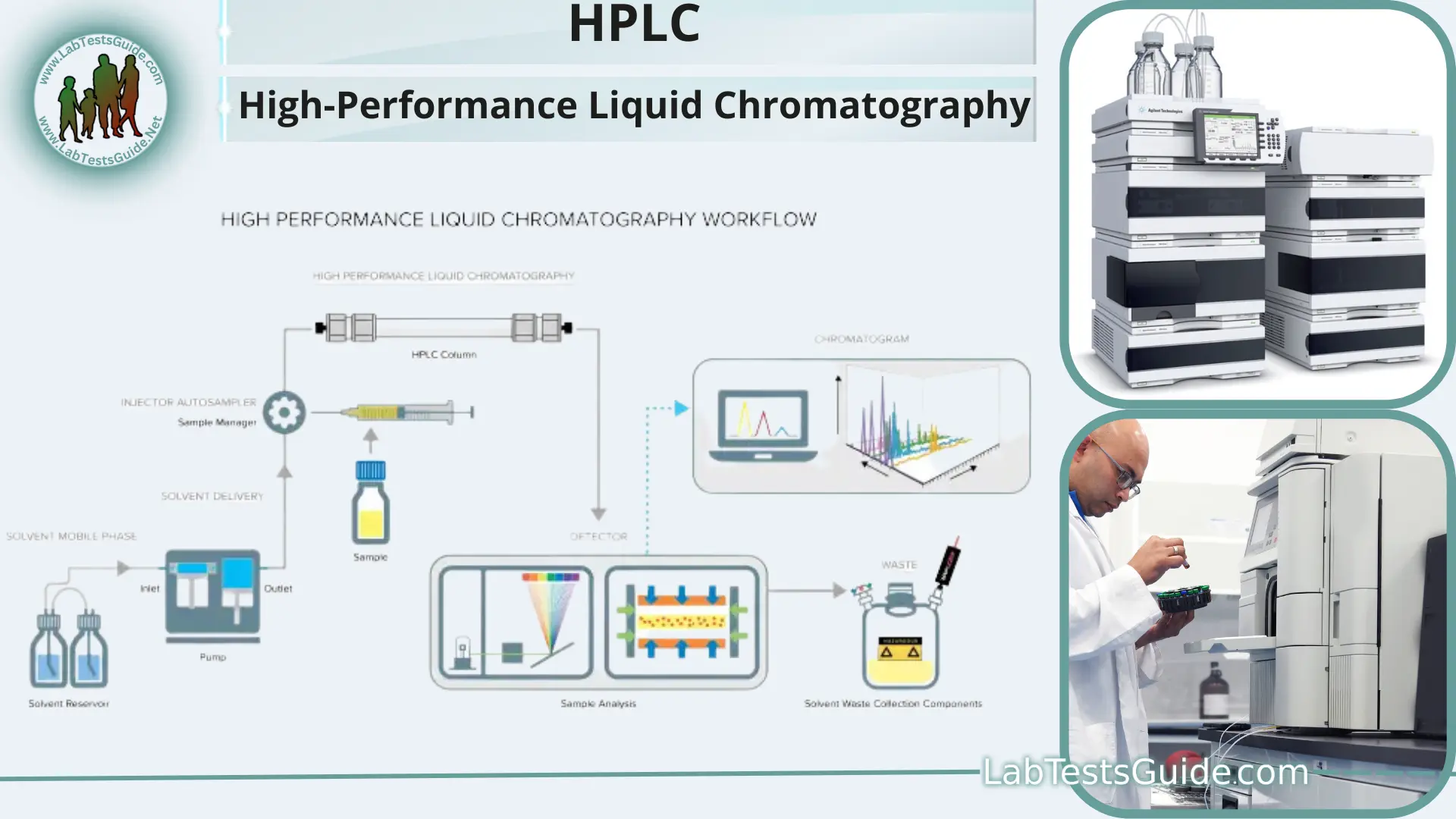
Validated > 99% Lab-grade Peptides At minimum, identity and purity must be confirmed per batch. Vendors who offer the very same COA for months of manufacturing are not showing sufficient quality control. The process works by passing the peptide solution with a column packed with specialized material. Various substances engage with this product in different ways, causing them to arise from the column at various times. A detector gauges what appears, generating a chromatogram showing peaks for each compound existing. " Trailing"-- where the optimal routes off slowly on one side-- can suggest column problems, sample overloading, or second communications in between the peptide and the stationary phase. The gold requirement for determining peptide pureness is high-performance liquid chromatography, generally abbreviated as HPLC. If you see a purity percentage on a peptide product, it probably originated from an HPLC analysis. Note the tiny optimals in the blue tirzepatide example chromatogram that do not exist in the common shots around it. These might be excipients or contaminations in the tirzepatide vial. Given that they have a comparable retention time to tirzepatide, they might be pollutants from the tirzepatide synthesis process, but they might also be contaminations from the various other excipients in the vial. It's an extra action that offers researchers confidence that each peptide meets consistent, verifiable criteria. Peptide purity is generally revealed as a portion, such as 95% or 98%. This number stands for just how much of the example is made up of the desired peptide series. For most research laboratory applications, a purity of 95% or higher is thought about research-grade. Previous write-ups in this collection have highlighted just how peptide synthesis has actually enabled the advancement of a large range of powerful injections and restorative representatives.
Technique Transfer & Validation Choices
Suit the whole lot number on the COA to the great deal number on the vial label exactly. If the numbers do not match, the COA does not validate that set. After the finished dosage type is produced, they test for contaminations that are created during the procedure of making the set or other resources contaminations that are simpler to evaluate in the ended up dose type. Any various other optimals that happen to be identified are by coincidence, not layout. There might be excipients that never dissolve in the example, get stuck in the column and never elute, the detector never spots as a result of the wavelength, can not be detected by UV absorbance, and so on. These fragments are typically smaller sized than the target peptide and may elute at different retention times. HPLC can show the existence of additional heights; LC-MS can aid appoint most likely identities to those related species. Amino acid evaluation or various other measurable methods can support absolute content. Chiral approaches can deal with enantiomeric purity where stereochemistry is a concern. Residual-solvent or water-content tests can matter in manufacturing or security contexts. These are valuable in the appropriate setting, but they must be taken method-specific proof rather than a global substitute for HPLC and MS.Tasting & Testing
Is 95% purity helpful for peptides?
Peptides with an 85% pureness level or higher are usually made use of in enzyme assays or organic activity studies. Peptides with pureness higher than 95% are excellent for quantitative analysis.
- For many customers, analytical paperwork is an essential part of supplier selection.
- Underdosed substances generate suboptimal outcomes that lead scientists to abandon reliable methods too soon.
- For a 10-residue peptide with 99.5% combining effectiveness, you would certainly anticipate about 95% of the final product to be the unabridged series prior to purification.
- The purity percentage comes from contrasting the area of the main top to the overall location of all discovered heights.
- These counterions aren't "contaminations" in the HPLC feeling-- they do not turn up as separate tops-- however they do add to the complete mass of the powder.